Our Blog
Autumn Dryness Prevails in North America, Canadian Residents Favor TCM Moisturizing Dietary Wellness
During North American autumn, Canada generally features dry and rainless weather with a large temperature difference between day and night. The dry climate easily causes a series of seasonal physical discomforts, which is the main reason for the high incidence of sub-health problems among local residents in autumn and winter. Local health surveys show that Canadians commonly suffer from dry and peeling skin, itchy and dry throat, dry cough, hot dry mouth and nose, and intestinal constipation in autumn and winter. Most people rely on moisturizers and hydration drinks to relieve symptoms, which only solves superficial problems. An increasing number of local residents have recognized the seasonal wellness logic of Traditional Chinese Medicine, using medicinal and edible diets to regulate the body internally and eliminate various discomforts caused by autumn dryness.
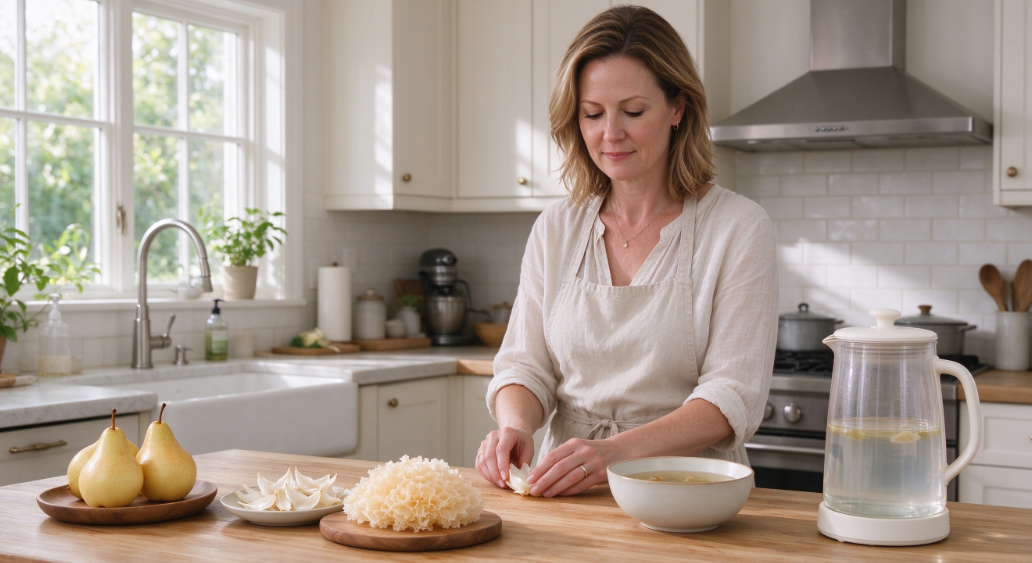
TCM autumn dietary regimens adapted to North American physical constitutions and eating habits have been widely popularized in Canada’s wellness community. Different from heavy tonic methods, the core of TCM autumn health preservation lies in “clearing heat, nourishing yin and moisturizing dryness” with mild and light ingredient conditioning. Natural medicinal and edible ingredients such as snow pear, lily bulb, tremella, honey and lotus root have become the preferred autumn wellness ingredients for local residents due to their mild and adaptable properties. Many white Canadian families have integrated moisturizing ingredients into daily diets, stewing sweet and nourishing soups and desserts to replace high-oil and high-sugar Western fast food and baked goods, realizing physical conditioning through daily meals and avoiding damage from autumn dryness.
Licensed local TCM practitioners remind that autumn dietary wellness must follow the principle of constitution adaptation, and a single moisturizing regimen is not suitable for everyone. People with cold constitutions and sensitive intestines and stomach should reduce cold raw ingredients and match warm ingredients to neutralize properties; those with hot constitutions and frequent internal heat can appropriately increase nourishing and moisturizing ingredients. Meanwhile, autumn wellness requires regular schedules and moderate outdoor light exercise, keeping early bedtime and early rising to adapt to seasonal changes, relieve low autumn mood and smooth lung qi. The three-in-one TCM autumn wellness model of diet, routine and emotion has become an excellent solution for Canadian residents to cope with seasonal health problems.
